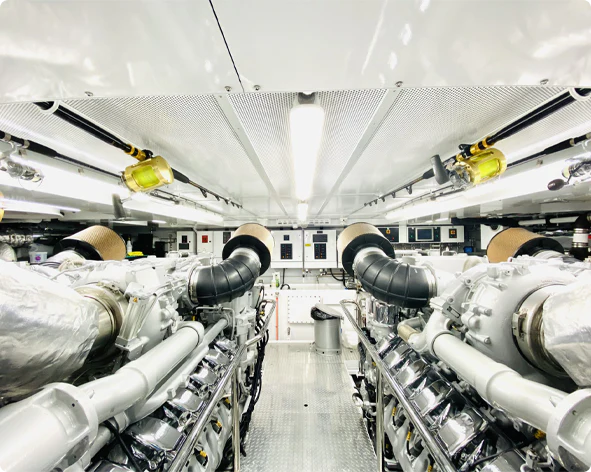
The engine room is the heart of any vessel, and proper lighting in this critical space is more than just a convenience, it’s a safety imperative. Poorly lit engine rooms can lead to accidents, make maintenance tasks frustrating, and even compromise the longevity of your marine machinery. Choosing the right marine engine room lights ensures that you can monitor your engines efficiently, perform maintenance safely, and enhance overall onboard safety. In this article, we’ll explore everything you need to know about selecting the perfect lighting for your engine room.
Why Engine Room Lighting Matters
Engine rooms are notoriously challenging spaces for lighting. They are often tight, cramped, and filled with machinery, piping, and wiring. A dim or unevenly lit engine room can result in:
- Safety hazards: Slips, trips, or accidental contact with hot or moving components.
- Maintenance errors: Misreading gauges or failing to notice small leaks or corrosion.
- Reduced efficiency: Spending extra time locating tools or working in shadows.
Investing in high-quality engine room lighting not only improves visibility but also reduces the risk of accidents and helps you detect mechanical issues before they escalate.
Types of Marine Engine Room Lights
When choosing marine engine room lights, there are several types to consider, each with its own advantages.
1. LED Lights
LED lights have become the industry standard for marine engine rooms. Their benefits include:
- Energy efficiency: LEDs consume far less power than incandescent bulbs, which is ideal for vessels with limited electrical resources.
- Longevity: High-quality LED fixtures can last up to 50,000 hours, reducing the frequency of replacements.
- Low heat output: Unlike halogen or incandescent lights, LEDs generate minimal heat, which is crucial in the confined space of an engine room.
- Durability: LEDs are shock and vibration resistant, making them suitable for the marine environment.
2. Fluorescent Lights
Fluorescent lighting is another option for engine rooms:
- Bright and even illumination: Fluorescent tubes provide broad, uniform lighting that reduces shadows.
- Energy efficient: While less efficient than LEDs, fluorescent lights still consume less power than traditional bulbs.
- Cost-effective: Fluorescent fixtures are generally less expensive upfront.
However, they are more fragile than LEDs and may not perform well in environments with constant vibration.
3. Halogen and Incandescent Lights
Halogen and incandescent lights are traditional options, but they are gradually being phased out in favor of LEDs. They offer:
- Warm lighting: Some boat owners prefer the warm glow of halogen lights.
- Lower initial cost: These lights are inexpensive to purchase.
Their drawbacks include high energy consumption, short lifespan, and excessive heat generation, which can be a safety concern in an engine room.
Key Features to Look for in Engine Room Lights
When selecting marine engine room lights, it’s important to consider the following features:
1. Waterproof and Corrosion-Resistant Design
Engine rooms are prone to moisture, oil, and chemical exposure. Choose lights that are IP-rated for water and dust resistance and made from corrosion-resistant materials like stainless steel or marine-grade aluminum.
2. High Lumen Output
The brightness of your lights is measured in lumens. For an engine room, aim for lights that provide at least 400–600 lumens per fixture, depending on the size of the space. This ensures clear visibility in all corners.
3. Adjustable or Flexible Mounting
Engine rooms often have awkward angles and tight spaces. Lights with adjustable mounts or flexible goosenecks allow you to direct illumination exactly where it’s needed.
4. Color Temperature
Color temperature affects how easily you can see details. A cool white light (5000K–6000K) is ideal for engine rooms because it provides crisp, clear illumination that enhances contrast and visibility.
5. Low Heat Emission
Lights with minimal heat output reduce the risk of accidental burns and prevent adding extra heat to an already warm engine room. LEDs are the best choice in this regard.
See also: The Evolution of Mobile Computing Technology
Installation Tips for Engine Room Lighting
Proper installation is just as important as choosing the right lights. Here are some tips to maximize efficiency and safety:
- Position Lights Strategically
Place lights where they will illuminate critical areas such as the engine, fuel lines, and electrical panels. Avoid placing lights directly above reflective surfaces that can create glare. - Use Multiple Fixtures
Multiple small fixtures often provide better coverage than a single large light. This reduces shadows and ensures every corner is visible. - Consider Motion Sensors or Switches
Motion-activated or easy-to-reach switches can improve convenience and energy efficiency, particularly in larger engine rooms. - Ensure Secure Wiring
Engine rooms are subject to vibration, moisture, and heat. Use marine-grade wiring, properly secured and routed away from heat sources and moving parts.
Safety Considerations
When upgrading or installing engine room lighting, safety should always come first:
- Avoid exposed wires that could create sparks near fuel sources.
- Use insulated, marine-rated connectors for all electrical connections.
- Regularly inspect lights for signs of corrosion, damage, or dimming.
- Keep a backup light onboard in case of primary light failure.
Benefits of Upgrading Engine Room Lighting
Investing in modern marine engine room lights provides tangible benefits:
- Enhanced safety: Clear visibility reduces accidents and injury risk.
- Simplified maintenance: Spot issues faster and perform repairs more efficiently.
- Energy savings: LED systems reduce battery strain and power consumption.
- Longevity: Durable lights withstand harsh marine conditions, reducing replacement costs.
Conclusion
The engine room is more than just a space filled with machinery; it’s the nerve center of your vessel. Proper lighting is essential to maintain safety, efficiency, and peace of mind while onboard. By choosing energy-efficient LEDs, ensuring sufficient lumens, and selecting corrosion-resistant fixtures, you can transform your engine room into a well-lit, functional, and safe environment.
Whether you’re a weekend sailor, a commercial vessel operator, or a marine enthusiast, investing in high-quality engine room lighting is a decision that pays off in safety, convenience, and long-term durability. Bright ideas below deck don’t just illuminate your engine, they illuminate peace of mind.