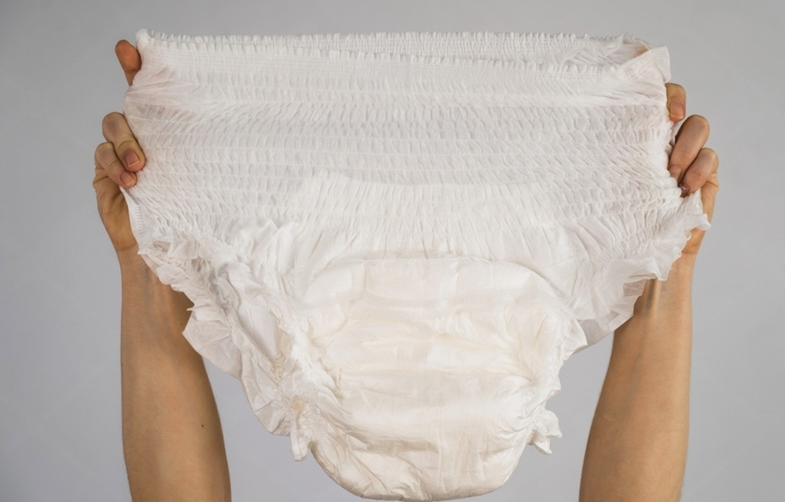
Adult incontinence products for men and women can differ in absorbent-core placement, fit and design because leakage patterns and anatomy are not identical. Women may experience stress-related leakage linked to pregnancy, childbirth, or menopause, while men may experience leakage associated with prostate conditions or recovery after surgery. Choosing the right product therefore involves considering the individual’s anatomy, leakage pattern, and measurements rather than relying on gender or clothing size alone.
Key takeaways
- Anatomy matters: Product design differs for men and women
- Leakage patterns differ: The cause and frequency of leakage affect product choice
- Fit is crucial: The right design still needs the right size
- Measure before buying: Use waist and hip measurements, not clothing size
Both men and women are affected by incontinence. But is the ratio proportionate? No. And definitely not for the same reasons.
A 2026 gender disparity study published in Aging Medicine found that urinary incontinence happening in the later stages of life places a disproportionately higher burden on women compared to men. This gap is driven by biology, not just how often each group happens to report it.
That difference is not just a statistic; it is also why adult diapers for men and women are not simply the same product with a different label on the packaging. Read the blog to know where that actually matters.
Why the Underlying Causes Differ
The incontinence support you need largely depends on your anatomy and life stage.
For women, the most common contributors include:
- Pregnancy and vaginal childbirth, which can weaken pelvic floor muscles
- Menopause, when hormonal changes affect bladder control
- Age-related pelvic organ changes over time
For men, the picture usually centers on:
- Prostate conditions and post-surgical recovery
- An enlarged prostate placing pressure on the bladder
- Age-related muscle weakening, similar to women, but on a different timeline
Neither cause is more prominent or less prominent. But they lead to different leakage patterns, which is where product design actually starts to diverge.
Where Anatomy Changes the Product Itself
This is something most people do not pay attention to until they are standing in front of two nearly identical-looking packs and feel utterly confused!
Adult diapers for men concentrate absorbent material toward the front of the product, matching where leakage typically occurs. On the other hand, adult diapers for women distribute absorbency more evenly across the front and central area, reflecting a different anatomical leak pattern.
Wearing the wrong version does not just feel off but also performs a lot worse. A product built around the wrong leak point absorbs less effectively exactly where it’s needed most.
Are Absorbency Patterns Identical?
No. Women’s incontinence is frequently associated with stress-related leakage. Smaller amounts get triggered by coughing, laughing, or physical activity, and this occurs more frequently throughout the day. Men, particularly following prostate-related causes, more often deal with steadier, sometimes heavier leakage that does not follow the same activity-triggered pattern.
This is why a product that works well for one situation can feel like the wrong fit entirely for the other, even at the same stated absorbency level.
Comparing the Two at a Glance
The differences become easier to understand when the key design and usage factors are placed side by side. This quick comparison highlights where men’s and women’s products may differ in practice.
| Factor | Adult Diapers for Men | Adult Diapers for Women |
| Absorbent core placement | Concentrated toward the front | Distributed front to center |
| Common trigger | Prostate-related, steadier leakage | Stress-related, activity-triggered |
| Typical onset | Often post-surgical or age-related | Often pregnancy, childbirth, or menopause-related |
| Fit consideration | Front coverage and waist fit | Central coverage and hip fit |
Table: Men’s vs Women’s Incontinence Products: Key Differences in Design and Usage
Sizing: Where Most Mistakes Actually Happen
Choosing based on general body size rather than the product’s actual size chart is the single most common error, for both men and women. Waist and hip measurements should always be checked against the specific product and not estimated from regular clothing size.
Caution: A product that’s the “right” gender-specific design but the wrong size will still leak. Correct anatomy-matched design and correct sizing both need to be right at the same time, not one or the other.
Getting the Choice Right the First Time
Buying for someone else? It is better to measure them directly rather than guessing based on their usual clothing size. This is particularly important when comparing adult diapers for men and adult diapers for women, as the correct design still needs to be paired with the right measurements.
A few practical questions can help narrow the choice before buying, especially when the cause or pattern of leakage is not immediately obvious.
- Is the leakage steady or triggered by specific activities like coughing or standing?
- Did it follow a specific event, surgery, childbirth, menopause, or has it developed gradually?
- Has the current product actually been checked against measurements, or just assumed to fit?
Final Thought
Choosing between products for men and women is not simply a matter of selecting a gender-specific label. Anatomy, leakage pattern, mobility, and accurate sizing all play a role in finding protection that performs properly.
Neither adult diapers for men nor adult diapers for women is a one-size-fits-all category on its own. Getting the anatomy-matched design and the correct size right together is what actually determines whether a product performs the way it’s supposed to.
Ready to Make an Informed Choice?
Once the differences are clear, the next step is to match the product to the individual’s actual needs rather than relying on assumptions.
If you are unsure which format suits your situation or the person you’re caring for, trying a small trial pack of the correctly matched product is a far more reliable way to confirm fit than guessing from the packaging alone.