Importance of Air Quality in Server Environments
Modern server rooms and data centers operate in highly controlled environments where temperature, humidity, and airflow are carefully managed. However, one often overlooked factor is airborne chemical contamination. Corrosive gases such as sulfur dioxide, hydrogen sulfide, nitrogen oxides, and volatile organic compounds can silently damage sensitive electronic components. Over time, this contamination leads to corrosion on circuit boards, connectors, and microprocessors, affecting reliability and performance.
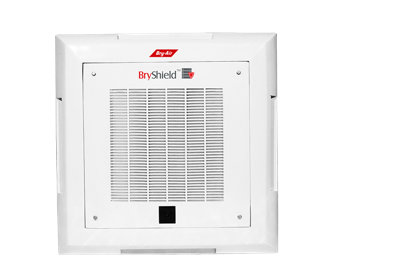
To address this challenge, implementing a high efficiency Chemical Filter system is essential. These filtration systems are specifically designed to remove harmful gaseous pollutants from the air before they come into contact with critical IT infrastructure. By neutralizing corrosive compounds, chemical filtration enhances equipment lifespan and minimizes unexpected downtime.
Airborne molecular contamination is not always visible or easily detectable. Unlike dust particles that can be captured through conventional particulate filters, gaseous contaminants require specialized media and adsorption technologies. Without adequate filtration, even a clean looking server room can experience progressive internal corrosion. Therefore, advanced chemical air filtration systems are increasingly becoming a standard requirement in mission critical facilities.
Understanding Chemical Contamination in Data Centers
Server rooms house complex electronic assemblies that operate continuously. These assemblies contain metallic components such as copper, silver, and solder alloys that are susceptible to chemical reactions. When corrosive gases interact with these metals, oxidation and sulfidation occur. These reactions form non conductive layers on electrical contacts, leading to signal disruptions and system instability.
Sources of chemical contamination may include outdoor industrial emissions, traffic related pollutants, cleaning agents, and building materials. In certain environments, agricultural emissions and environmental factors also contribute to elevated contaminant levels. Because data centers often rely on outside air for ventilation, pollutants can enter the facility unless properly filtered.
Effective chemical filtration systems use specialized adsorbent media such as activated carbon or impregnated materials. These media capture and neutralize harmful gases through physical adsorption and chemical reactions. The filtration units are typically integrated into HVAC systems to ensure consistent protection across the entire server room.
Key Components of a Chemical Filtration System
A comprehensive chemical air filtration solution consists of several coordinated components. The filtration media is the core element responsible for capturing gaseous pollutants. The media is engineered to target specific contaminants and maintain high adsorption capacity over extended periods.
Air handling units ensure that contaminated air passes uniformly through the filtration modules. Proper airflow design maximizes contact between air and media, improving removal efficiency. Monitoring systems may also be included to track air quality levels and predict filter replacement intervals.
Performance consistency is critical in server environments. Filtration systems must operate continuously without compromising airflow or energy efficiency. Well designed systems maintain low pressure drop while delivering high contaminant removal efficiency, ensuring optimal HVAC performance.
The Role of Ethylene and Molecular Control
In addition to common corrosive gases, certain facilities face challenges related to specific contaminants such as ethylene. Although often associated with agricultural environments, ethylene can be present in indoor air under certain conditions and may contribute to overall air quality concerns. Advanced filtration systems incorporate targeted ethylene control strategies to address such molecular contaminants.
Ethylene control involves specialized adsorbent materials capable of capturing low concentration gases effectively. These materials are engineered to maintain performance stability even in varying humidity and temperature conditions. By integrating ethylene removal capabilities, chemical filtration systems provide a broader spectrum of protection.
Molecular level air purification ensures that sensitive electronic components remain shielded from chemical exposure. This proactive approach significantly reduces the risk of corrosion related failures and extends maintenance intervals. In high density server environments where equipment operates continuously, consistent molecular filtration is essential for operational stability.
Benefits of Comprehensive Molecular Filtration
Implementing a robust chemical air filtration strategy offers multiple advantages for data centers and server facilities:
• Enhanced equipment reliability through reduced corrosion risk
• Improved system uptime and operational continuity
• Lower maintenance costs due to minimized hardware degradation
By addressing both general corrosive gases and specific contaminants such as ethylene, facilities can maintain superior indoor air quality. This comprehensive approach strengthens overall infrastructure resilience.
Integration with HVAC Systems
Chemical filtration systems are most effective when seamlessly integrated into existing HVAC frameworks. Placement within air handling units allows for centralized purification before air is distributed throughout the server room. This configuration ensures uniform protection across racks and equipment zones.
Engineered airflow design is crucial for maintaining optimal contact time between air and filtration media. Properly balanced systems prevent bypass leakage and maintain consistent air velocity. This not only enhances filtration efficiency but also supports stable temperature and humidity control.
Energy efficiency remains a key consideration in data center operations. Advanced chemical filters are designed to operate with minimal pressure drop, reducing the additional load on fans and air handling equipment. This ensures that air quality improvements do not compromise overall energy performance.
Monitoring and Maintenance Strategies
Continuous monitoring of indoor air quality enables facilities to assess contamination levels and adjust filtration strategies accordingly. Sensors can detect changes in corrosive gas concentrations, providing early warnings of potential risks. Data driven maintenance schedules improve reliability and optimize filter replacement cycles.
Routine inspection of filtration modules ensures consistent performance. Over time, adsorbent media becomes saturated and requires replacement to maintain efficiency. Predictive maintenance strategies reduce the likelihood of sudden performance decline and prevent exposure of sensitive equipment to harmful gases.
Adopting a structured maintenance plan contributes to long term cost savings. By preventing corrosion related equipment failures, organizations avoid expensive repairs and unplanned downtime. Consistent air quality management supports sustainable and resilient data center operations.
See also: business performance analysis summary
Compliance and Industry Standards
Many industries adhere to environmental and operational standards that specify acceptable levels of airborne contaminants. Data centers supporting critical infrastructure must maintain stringent environmental controls to meet regulatory and internal performance benchmarks.
Chemical air filtration plays a vital role in meeting these standards. By maintaining controlled levels of corrosive gases and molecular contaminants, facilities demonstrate compliance with recommended guidelines for electronic equipment protection.
Standards focused on indoor air quality and equipment reliability emphasize the importance of molecular contamination control. Integrating advanced filtration solutions aligns with best practices for safeguarding IT assets and ensuring uninterrupted service delivery.
Future Developments in Chemical Filtration Technology
As data center density and computational demands increase, the need for advanced environmental protection continues to grow. Innovations in filtration media are enhancing adsorption capacity and targeting a broader range of contaminants. Smart monitoring systems are becoming more sophisticated, offering real time performance insights and predictive analytics.
Modular filtration designs allow scalability to accommodate expanding server environments. Facilities can upgrade or expand filtration capacity without major structural changes. This flexibility supports long term infrastructure planning.
Sustainability considerations are also influencing technological advancements. Manufacturers are developing energy efficient systems and environmentally responsible media solutions. These innovations support both operational reliability and environmental stewardship.
Conclusion
Maintaining superior air quality within server rooms is essential for protecting sensitive electronic infrastructure. Corrosive gases and molecular contaminants pose significant risks that cannot be addressed by conventional particulate filters alone. Implementing advanced chemical filtration solutions ensures comprehensive protection against airborne pollutants.
By incorporating specialized media for molecular control and targeted contaminant removal, facilities can enhance equipment reliability, reduce maintenance costs, and support uninterrupted operations. Integrated HVAC compatibility and continuous monitoring further strengthen environmental management strategies.
For innovative and reliable air filtration solutions tailored to mission critical environments, explore the advanced technologies offered by Bry-Air. Their expertise in chemical air purification supports long term protection and performance for modern server facilities.