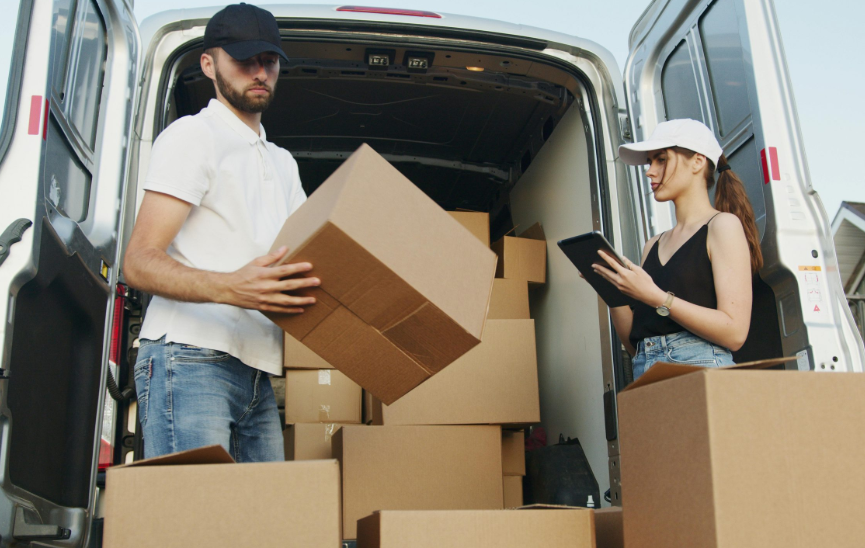
Relocating to a new home is exciting, but it can also be one of the most stressful life events especially when you’re responsible for protecting everything you own. From fragile glassware to expensive electronics and sentimental keepsakes, every item needs careful handling and planning. Without the right strategy, small packing mistakes can lead to costly damage, lost belongings, and unnecessary frustration.
Whether you are moving across town or to a new city, following a structured approach ensures your belongings arrive in perfect condition. In this guide, we’ll walk you through expert-backed methods to keep your household items secure during a major move and help you enjoy a smoother, stress-free relocation experience.
1. Start With a Detailed Moving Plan
Security begins long before the first item goes into a box. A clear relocation plan helps prevent chaos, rushed decisions, and misplaced belongings.
Create a checklist that includes:
- A room-by-room packing schedule
- A list of high-value and fragile items
- A timeline for packing, pickup, and delivery
- A labeling and inventory system
This planning phase allows you to control the process instead of reacting to it. When everything is mapped out, fewer items get forgotten, mixed up, or damaged.
2. Use High-Quality Packing Materials
One of the biggest mistakes people make is trying to save money by using weak or recycled cartons that aren’t designed for transport. Proper packaging is essential for protecting your belongings against bumps, drops, and stacking pressure.
Invest in strong, purpose-built cartons such as moving boxes canberra homeowners rely on for durability and size variety. These boxes are designed to hold weight, stack safely, and protect items far better than supermarket boxes or old cartons.
You should also stock up on:
- Bubble wrap
- Packing paper
- Stretch wrap
- Foam padding
- Heavy-duty tape
These materials work together to absorb impact and prevent shifting inside the boxes.
3. Pack Room by Room
Packing everything at once leads to confusion and breakage. A room-by-room system keeps items organized and protected.
Here’s how to do it:
- Pack similar items together
- Keep small items inside larger containers when possible
- Avoid mixing kitchen, bathroom, and bedroom items
- Label each box with its room and contents
This method not only prevents damage but also makes unpacking faster and easier.
4. Wrap Fragile Items the Right Way
Fragile items require special attention. Plates, glasses, mirrors, electronics, and décor should never be placed loosely inside a box.
Use these best practices:
- Wrap each item individually
- Cushion the bottom and top of the box
- Place heavier items at the bottom
- Fill all empty spaces to prevent movement
For electronics, use original packaging if available. If not, wrap cables separately and cushion devices thoroughly.
5. Secure Furniture Before Transport
Large items like couches, beds, and wardrobes are vulnerable to scratches, dents, and dust. Before loading them onto a truck, take the time to prepare them properly.
Steps to protect furniture:
- Remove legs, shelves, and loose parts
- Wrap surfaces with blankets or padded covers
- Use stretch wrap to keep drawers and doors closed
- Store hardware in labeled bags
This keeps everything intact and prevents parts from being lost during the move.
See also: Protect Your Home: Expert Roof Repair Advice for Newcastle Residents
6. Create an Inventory List
An inventory list is your best defense against lost or misplaced items. Write down every box and large item you pack and number each carton.
For example:
- Box 1 – Kitchen Glassware
- Box 2 – Bedroom Clothing
- Box 3 – Books
When the truck arrives, you can quickly check that everything has been loaded and unloaded. This simple step gives you peace of mind and makes it easier to spot missing items immediately.
7. Keep Valuables With You
Certain items should never go on a moving truck. Important documents, jewellery, passports, laptops, and irreplaceable keepsakes should travel with you.
Prepare a small “personal essentials” bag that stays in your car or with you at all times. This ensures nothing valuable gets lost, stolen, or delayed.
8. Load the Truck Strategically
The way items are loaded into the truck matters just as much as how they’re packed.
Best loading practices include:
- Place heavy furniture against the walls
- Stack boxes from heaviest to lightest
- Use straps to secure tall or unstable items
- Avoid stacking fragile boxes under heavy ones
A well-organised truck prevents shifting during transport, reducing the risk of damage.
9. Protect Items From Weather
Weather can be unpredictable, especially during long moves. Rain, humidity, and dust can easily damage furniture and boxes.
To stay safe:
- Use plastic covers for mattresses and sofas
- Wrap boxes in plastic if rain is expected
- Ensure the truck is properly sealed
These simple precautions can save you from water damage and ruined belongings.
10. Unload With the Same Care
Security doesn’t stop when you arrive at your new home. Rushing during unloading can undo all the careful packing.
Make sure:
- Fragile boxes are unloaded first
- Furniture is placed in the correct rooms
- Boxes are not thrown or dragged
- Inventory is checked off as items arrive
This ensures everything arrives safely and in the right place.
Why Proper Packing Makes All the Difference
A big relocation doesn’t have to be stressful or risky for your belongings. When you use strong packing materials, follow a structured system, and handle everything with care, you dramatically reduce the chances of damage or loss.
Quality supplies like moving boxes Canberra residents trust are designed to protect everything from books and clothes to glassware and electronics, making them an essential part of any successful move.
Conclusion
Keeping your household items secure during a big relocation comes down to preparation, quality materials, and careful handling at every stage. From the moment you start packing to the final box being unloaded, every step plays a role in protecting what matters most.
If you want a professional, stress-free moving experience, CBD Movers offers expert relocation services designed to keep your belongings safe from start to finish. Contact us today to plan your move with confidence and enjoy a smooth, secure transition to your new home.