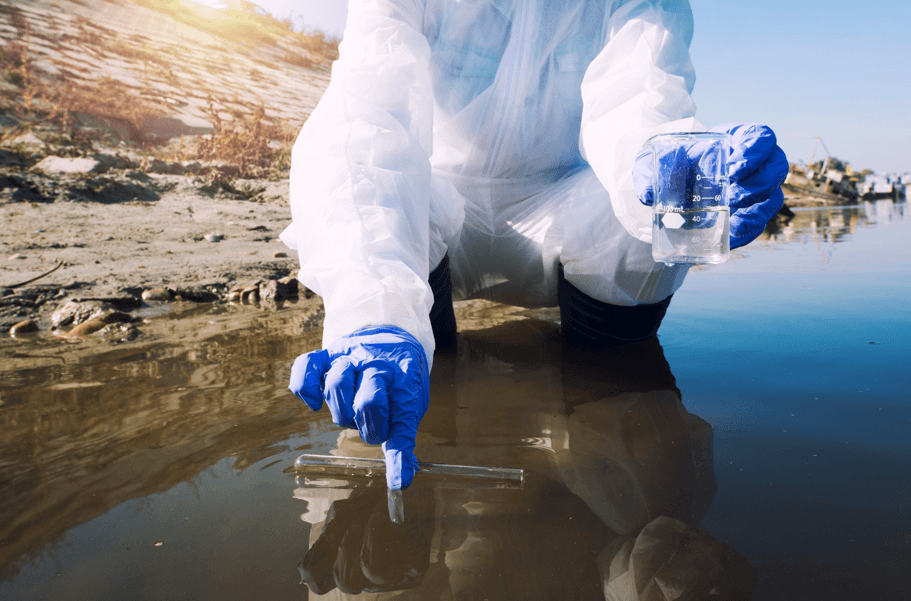
It is important to react promptly to a spill to protect the underground resources. Otherwise, there are chances for groundwater contamination and sensory damage. You need to figure out the source and stop it from spreading further.
Key Takeaways
- Spills can have a devastating effect in the terrestrial ecosystem and damage the water bore monitoring system.
- Identify the source and stop it from damaging the monitoring systems. Isolate the damaged parts if possible.
- Calibrate the sensors, work on the impacted wells and check the baseline condition before returning to the regular schedule.
Emergency spill response is needed to protect the underground resources. This is even more important where water bore monitoring systems track aquifer quality, environmental compliance and contamination levels.
A spill involving sewage, industrial waste, or chemical fuel can affect the reliability and performance of the monitoring systems. A quick spill response is not just a surface clean-up protocol; it is the defence system that preserves the reliability, structural integrity and accuracy of the water bore monitoring infrastructure.
How Do Spill Events Impact Water Bore Monitoring Systems?
If you don’t act promptly there will be severe risks of contamination to the monitoring system that collects all the data. Here is how a sudden spill can impact water bore monitoring systems.
- Groundwater Contamination: It introduces hazardous substances into groundwater and soil. It can change pH levels and increase chemical concentrations. Moreover, it can add toxic chemicals, heavy metals and hydrocarbons to the water.
- Fouling & Sensor Damage: Contaminants can damage the equipment physically or chemically. It can block the sampling lines, affect calibration accuracy, and cause sediment build up.
- Monitoring Reliability & Data Integrity: Emergency spills can cause abnormal groundwater behaviour, like fluctuating water tables or rapid contaminant migration. Monitoring systems can also experience anomalies and data spikes, interrupting telemetry communication.
- Increased Monitoring Frequency: After a spill, facility operators and environmental agencies mostly conduct more frequent monitoring. They may also increase sampling frequency, expand monitoring zones and install temporary bores.
- Compliance & Regulatory Implications: A water bore monitoring system presents critical evidence of environmental compliance during the investigation.
How To Respond After An Emergency Spill?
If a spill has impacted the water bore monitoring systems, the response needs to focus on reducing environmental risks, protecting groundwater and preserving monitoring integrity. Here is how to protect the site.
Immediate Response
This is the initial response immediately after detecting the spill.
- Stop The Source: Isolate the damaged containers, pumps, valves, or transfer line. Also, if needed, shut down nearby operations.
- Contain The Spill: Use earth berms, portable containment, bunding or absorbents to prevent the spill from migrating towards fractured ground, monitoring bores and drainage channels.
- Protect The Bores: Check the monitoring wells for broken casings, damaged caps, contaminated surface water entry and a flooded annulus. Cover the affected bores temporarily and restrict vehicle access to prevent damage.
- Establish Exclusion: Mark the impacted areas and control access to avoid further damage.
Environmental & Monitoring Actions
After you are done with the immediate response, you have to check whether the monitoring data has been compromised.
- Check If The Data Is Compromised: Determine whether the sensors have failed and which bores are affected or exposed, if there are any data gaps and whether the sample can still be used.
- Initiate Emergency Sampling: Ensure consistent hydrogeological terminology throughout, affected bores, and if any nearby water supply is connected.
- Increase Monitoring Frequency: Depending on the risk, move the monthly or quarterly checks to weekly or daily checks. Track the groundwater levels and plume movement.
- Decontaminate Equipment: Clean the probes, pumps, sampling gear and water level meters. If needed, replace the filters or tubes immediately.
Site Protection Measures
Protecting the site is a priority; otherwise, it can cause severe damage that would be difficult to remediate.
- Prevent Contaminant Migration: Depending on the severity and spill type you have to decide whether to deploy reactive media, install recovery trenches, or excavate contaminated soil.
- Protect Critical Receptors: You cannot protect everything at once. You have to prioritise. Protect the wetlands, drinking water bores, occupied buildings, nearby waterways, and sensitive ecosystems.
Compliance & Documentation
You have to keep track of everything that happened, and maintain documentation. Keep a record of the spilled material and volume, the time of discovery, which bores were affected, what response actions were taken along with photographic evidence.
- Notify Stakeholders & Regulators: Follow environmental reporting obligations. It is better to report the issue early when monitoring systems are affected.
- Check & Repair The Monitoring System: Calibrate the sensors, repair the impacted wells and check the baseline condition before returning to the regular schedule.
Best Practices To Protect These Monitoring Systems
Here are a few measures that you can take to protect the water bore monitoring systems.
- Use automated alert systems to detect contamination.
- Install corrosion-resistant sensors and protective casings.
- Maintain telemetry communication and keep backup power.
- Perform regular maintenance and routine calibration.
- Have emergency response protocols connected with data monitoring.
Keep A Spill Response Strategy Ready
Spill incidents can affect groundwater quality severely and hamper the effectiveness of the monitoring systems. This is why prompt spill response is necessary.
Integrated spill response planning, rapid environmental assessment and a good monitoring technology can reduce the risk, ensure regulatory compliance and support remediation efforts.
Prepare A Strategy Now
If you are hiring a crew, you need to choose a provider with a well-defined emergency spill response plan. There are various companies available in the market, choose one that will be able to protect the site in case of an emergency.