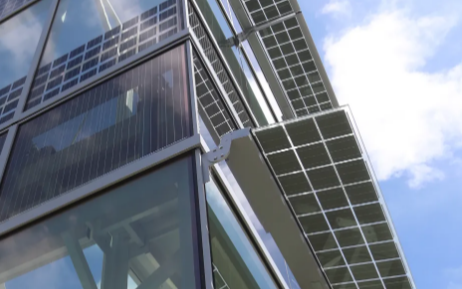
You can turn parts of a building into a power source by replacing conventional materials with photovoltaic components built into roofs, façades, windows, or other envelope elements. Building-integrated photovoltaic (BIPV) panels generate electricity while serving as functional building materials, so you save space and reduce visual clutter compared with add-on solar arrays.
Expect practical trade-offs with Building Integrated Photovoltaic Panels. They can improve energy performance and aesthetic integration, but may cost more upfront and require coordination with architects and installers. The rest of the article will explain how BIPV systems work, where they make the most sense, and what benefits and constraints to weigh when planning installation.
Overview of Building Integrated Photovoltaic Panels
BIPV systems combine photovoltaic electricity generation with building materials to replace or augment roof, façade, and window elements. You will find details on what BIPV is, the materials and cell types used, how systems are installed into modern designs, and how BIPV compares to conventional rooftop arrays.
Definition and Core Principles
Building-integrated photovoltaics (BIPV) are solar modules designed to function as part of the building envelope—serving structural, weatherproofing, shading, or aesthetic roles while producing electricity. You can place BIPV as roof tiles, curtain-wall glazing, or cladding panels; each application must meet both building-code and electrical-code requirements.
Key principles include dual-function design (structural or envelope role plus power generation), system interoperability with inverters and building electrical systems, and siting to optimize solar access while meeting thermal and moisture-control needs. You should plan for load transfer, fire performance, wind uplift resistance, and maintenance access early in design to avoid retrofits that compromise either building performance or PV output.
Key Technologies and Materials
BIPV uses a range of photovoltaic technologies: monocrystalline and polycrystalline silicon, thin-film (CIGS, CdTe), and emerging perovskite or tandem cells for higher transparency or flexibility. You will often see semi-transparent glass-glass modules for façades and laminated flexible modules for curved surfaces.
Materials beyond cells matter: tempered or laminated architectural glass, metal or composite backings, and mechanically robust frames are common. Encapsulation and edge seals must resist UV, moisture, and thermal cycling to match the building envelope lifespan. Electrical components include integrated junction boxes, bypass diodes, and rapid-shutdown devices to meet safety standards.
Integration Methods in Modern Architecture
You can integrate BIPV as direct replacements for conventional elements or as overlays. Common methods:
- Roof integration: solar shingles or standing-seam metal with integrated modules.
- Façade integration: glazed BIPV units in curtain walls or ventilated rainscreens.
- Skylights and canopies: semi-transparent modules provide light and power.
Design coordination is crucial. Architects and engineers must align module geometry, mounting detail, and thermal bridging strategies with structural framing and cladding interfaces. Electrical routing, inverter placement, and maintenance pathways should be resolved during schematic design. You should also consider shading from adjacent massing, seasonal solar angles, and façade orientation to maximize yield without compromising daylighting or insulation.
Comparison to Conventional Solar Panels
Performance: Conventional rooftop PV typically yields higher watt-per-dollar and simpler install logistics than BIPV. BIPV trades some peak efficiency for integrated aesthetics and space-saving benefits.
Cost and lifecycle: BIPV often has higher upfront costs due to custom components, architectural integration, and dual certification (building and electrical). However, you may offset costs by eliminating separate cladding or roofing materials. Lifecycle considerations include matching module durability to the building envelope (20–30+ years) and planning for replacement or recycling.
Regulatory and design impact: Standard PV mounts attach to existing roofs (BAPV), whereas BIPV must comply with building-envelope performance, fire codes, and sometimes local design review. You should weigh these constraints against benefits like preserved roof area, reduced embodied material from separate cladding, and improved façade aesthetics.
Applications and Benefits
BIPV replaces conventional building materials with electricity-generating elements while also providing weatherproofing, insulation, or daylighting. Expect direct energy generation from façades, roofs, and glazed surfaces, plus reduced material and installation redundancy.
Residential and Commercial Installations
You can install BIPV as roof tiles, curtain-wall glazing, or façade cladding depending on building type and solar exposure.
On residences, BIPV roof tiles and semi-transparent skylights supply on-site power, preserve curb appeal, and often qualify for local incentives or net-metering credits.
In commercial buildings, full façades or canopy-integrated PV provide larger generation capacity and can serve tenant loads, EV charging, or building systems like HVAC.
Developers often use BIPV where rooftop space is limited or where building codes favor integrated assemblies.
Permitting and access for maintenance differ from conventional panels, so plan early for wiring routes, inverters, and façade access.
Energy Efficiency and Cost Savings
You capture electricity at the building envelope, which reduces grid purchases and peak demand charges when systems face suitable orientation.
BIPV can offset part of HVAC loads by shading glazing or adding insulation value—this reduces operational energy beyond mere electricity generation.
Upfront costs vary: you pay more than for standard cladding plus separate PV, but you save on materials and labor by eliminating redundant layers.
Life-cycle economics improve with incentives, energy price escalation, and avoided replacement of conventional materials during roof or façade renewal.
Design Flexibility and Aesthetic Integration
BIPV comes in multiple form factors: thin-film laminates, glass-glass modules, and framed panels sized to standard façade modules.
You can match color, translucency, and module layout to maintain architectural intent—integrate logos, patterned shading, or full-height glazed PV.
Because BIPV replaces building materials, it reduces installation clutter and mounting hardware, yielding cleaner sightlines and fewer penetrations.
Coordinate early with architects and engineers to resolve structural loads, junction detailing, and visual glazing performance to meet both energy and aesthetic targets.