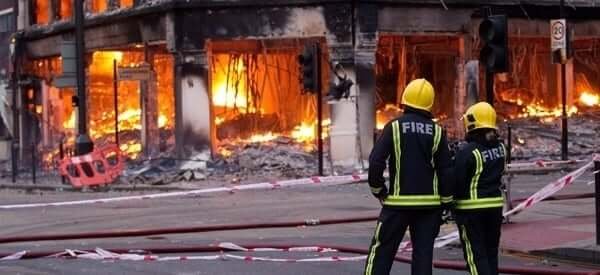
Introduction to Fire Risk Assessment for Public Buildings
Public buildings such as schools, hospitals, shopping centers, government offices, and transportation hubs are used by a large number of people every day. Because of high occupancy and varied activities, these buildings face an increased risk in the event of a fire. Fire Risk Assessment for Public Buildings is a critical process designed to identify fire hazards, evaluate risks, and implement effective safety measures to protect lives and property.
What Is Fire Risk Assessment?
Fire Risk Assessment is a structured evaluation of a building to identify potential fire hazards and determine the level of risk they pose. In public buildings, this assessment considers ignition sources, flammable materials, building layout, and the number of occupants. The goal is to reduce the likelihood of fire and ensure that people can safely evacuate if an incident occurs.
Importance of Fire Risk Assessment in Public Buildings
Fire Risk Assessment is especially important in public buildings because they are often occupied by people of different ages, abilities, and levels of familiarity with the premises. In an emergency, confusion and panic can spread quickly. A proper fire risk assessment helps ensure compliance with fire safety regulations and reduces the risk of serious injuries or fatalities.
It also helps building managers identify weaknesses in existing fire safety systems and take corrective action before an incident occurs.
Common Fire Hazards in Public Buildings
Public buildings contain various fire hazards depending on their function. Electrical equipment, heating systems, kitchens, storage areas, and maintenance rooms are common sources of ignition. Flammable materials such as paper, furniture, cleaning chemicals, and waste can contribute to rapid fire spread. Poor housekeeping, blocked exits, and faulty wiring further increase fire risk.
See also: business opportunity report summary
Key Steps in Conducting Fire Risk Assessment
The fire risk assessment process begins with identifying potential fire hazards throughout the building. The next step is identifying people at risk, including visitors, employees, children, elderly individuals, and people with disabilities.
After that, existing fire safety measures such as fire alarms, extinguishers, emergency lighting, and evacuation routes are evaluated. Finally, the assessment documents findings and recommends improvements to reduce risks and enhance fire safety.
Fire Safety Measures for Public Buildings
Effective fire safety measures are essential for public buildings. These include installing and maintaining fire detection and alarm systems, providing adequate fire extinguishers, and ensuring clear and accessible emergency exits. Fire-resistant building materials and proper compartmentation can help slow fire spread.
Clear signage, emergency lighting, and accessible evacuation routes are also vital to ensure a safe exit during emergencies.
Role of Staff Training and Fire Drills
Staff training plays a crucial role in fire safety. Employees and security personnel should be trained to respond calmly and effectively during a fire emergency. Regular fire drills help familiarize staff and occupants with evacuation procedures and reduce panic during real incidents.
Designated fire wardens can guide occupants to safety and assist vulnerable individuals during evacuation.
Legal and Regulatory Considerations
Most countries have fire safety laws that require public buildings to conduct regular fire risk assessments. Failure to comply can result in legal penalties, fines, or closure of the building. Regular reviews and updates of fire risk assessments ensure ongoing compliance with changing regulations and building conditions.
Benefits of Fire Risk Assessment for Public Buildings
Fire Risk Assessment provides multiple benefits, including improved safety, reduced fire damage, and compliance with legal requirements. It also enhances public confidence in the safety of the building and protects the organization from financial and reputational loss.
Conclusion
Fire Risk Assessment for Public Buildings is an essential process that helps identify hazards, reduce risks, and protect lives. By implementing effective fire safety measures, conducting regular assessments, and training staff, public buildings can significantly reduce the impact of fire incidents. A proactive approach to fire safety ensures a safer environment for everyone who uses public spaces.