In today’s highly competitive power generation landscape, reliability is everything. Whether in base load plants, peaker facilities, or industrial operations, even a short period of unplanned downtime can result in significant financial losses, operational disruptions, and safety risks. That’s why more operators are turning to refurbished industrial gas turbine components as a strategic solution to maintain performance while controlling costs.
Refurbishment is no longer just a repair option—it’s a performance-driven, ROI-focused approach that restores efficiency, extends equipment life, and minimizes outages. In this article, we’ll explore how refurbished components improve reliability, the processes behind them, and why they are becoming essential in modern turbine maintenance strategies.
The Growing Importance of Reliability in Power Generation
Gas turbines operate under extreme conditions—high temperatures, intense pressure, and continuous mechanical stress. Over time, these conditions lead to wear, degradation, and eventual failure of critical components.
Unplanned outages caused by component failure can result in:
- Lost revenue from halted power production
- Expensive emergency repairs
- Reduced equipment lifespan
- Increased operational risk
To mitigate these risks, operators must ensure that every component performs reliably. This is where refurbished industrial gas turbine components provide a powerful advantage.
What Are Refurbished Industrial Gas Turbine Components?
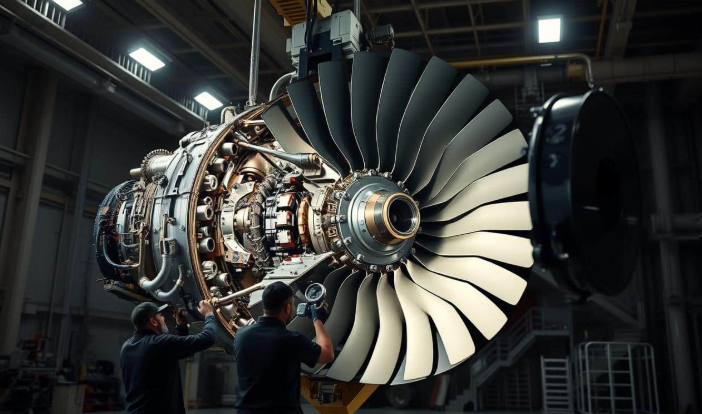
Refurbished industrial gas turbine components are used parts that have been restored to meet or exceed original equipment manufacturer (OEM) specifications. Unlike basic repairs, refurbishment involves a comprehensive process of inspection, restoration, and validation.
These components are not simply “fixed”—they are re-engineered to perform at high standards, often incorporating advanced materials and improved technologies.
How Refurbishment Improves Reliability
Reliability is the cornerstone of turbine performance. Refurbished components contribute to this in several key ways.
1. Thorough Inspection Identifies Hidden Issues
The refurbishment process begins with detailed inspection techniques designed to uncover even the smallest defects. These include:
- Non-destructive testing (NDT)
- Ultrasonic and radiographic analysis
- Dimensional inspections
- Surface and subsurface crack detection
By identifying hidden issues early, refurbishment prevents minor defects from evolving into major failures. This proactive approach significantly improves reliability.
2. Advanced Repair Techniques Restore Structural Integrity
Once issues are identified, specialized repair methods are used to restore the component. These may include:
- Precision welding for crack repair
- Machining to restore dimensions
- Laser cladding and material rebuilding
- Thermal barrier coatings for heat resistance
These advanced techniques ensure that refurbished industrial gas turbine components regain their original strength and durability.
3. Performance Testing Ensures Operational Readiness
After repairs, components undergo rigorous testing to verify performance. This includes:
- Balance testing for rotating parts
- Pressure and stress testing
- Functional performance validation
Testing ensures that each component can operate under real-world conditions without failure, reducing the risk of unexpected downtime.
4. Restoration to OEM Standards
One of the biggest advantages of refurbishment is the ability to restore components to OEM specifications. In many cases, improvements in materials and processes can even enhance performance beyond original levels.
This ensures compatibility, reliability, and long-term performance in turbine systems.
Reducing Downtime Through Refurbishment
Downtime is one of the most costly challenges in power generation. Refurbished components help minimize both planned and unplanned outages.
1. Faster Turnaround Times
Manufacturing new turbine components can take weeks or even months. In contrast, refurbished industrial gas turbine components are often available much faster.
This allows operators to:
- Complete maintenance more quickly
- Reduce outage durations
- Restore operations sooner
2. Availability of Ready-to-Install Components
Many service providers maintain inventories of refurbished parts, enabling quick access when needed. This reduces dependency on long supply chains and minimizes delays.
3. Reduced Risk of Unexpected Failures
Because refurbished components undergo rigorous inspection and testing, they are less likely to fail unexpectedly. This reliability reduces the frequency of emergency shutdowns.
4. Predictable Maintenance Scheduling
Refurbishment supports planned maintenance strategies. By restoring components before they fail, operators can schedule outages at convenient times, avoiding costly disruptions.
Key Components That Benefit from Refurbishment
Several critical turbine components can be refurbished to improve reliability and reduce downtime.
1. Turbine Blades and Vanes
These components operate in extreme heat and are prone to wear. Refurbishment restores their thermal resistance and aerodynamic performance.
2. Rotors and Discs
Rotating components require precise balance and alignment. Refurbishment ensures stability and prevents vibration-related failures.
3. Combustion Components
Combustion liners and chambers are exposed to intense heat and pressure. Refurbishment improves durability and combustion efficiency.
4. Compressor Components
Blades and vanes in the compressor section are critical for airflow and pressure. Refurbishment restores their efficiency and reduces energy losses.
5. Seals and Bearings
While often considered consumables, these components play a key role in preventing leaks and maintaining smooth operation.
ROI: Why Refurbished Components Make Financial Sense
Beyond reliability, refurbished industrial gas turbine components deliver strong return on investment (ROI).
1. Lower Capital Expenditure
Refurbished components cost significantly less than new parts. This allows operators to allocate resources more efficiently without compromising performance.
2. Extended Equipment Life
By restoring critical components, refurbishment delays the need for major capital investments in new turbines.
3. Reduced Maintenance Costs
Preventing failures and minimizing downtime leads to lower overall maintenance expenses.
4. Improved Operational Efficiency
Efficient components consume less fuel and operate more effectively, contributing to cost savings over time.
5. Minimized Revenue Loss
Reducing downtime ensures consistent power generation, protecting revenue streams.
The Role of Technology in Modern Refurbishment
Advancements in technology have significantly improved the quality and effectiveness of refurbishment processes.
See also: Business Funding for Small Business: Clear Options and Smart Application Strategies
1. Advanced Coatings
Thermal barrier coatings and anti-corrosion treatments enhance component durability and performance.
2. Additive Manufacturing
3D printing technologies allow for precise material restoration and even design improvements.
3. Digital Diagnostics
Data-driven analysis helps identify wear patterns and predict maintenance needs, improving refurbishment outcomes.
Best Practices for Maximizing Reliability
To fully benefit from refurbished industrial gas turbine components, operators should follow best practices:
1. Partner with Trusted Providers
Choose experienced refurbishment specialists with proven track records and advanced capabilities.
2. Implement Predictive Maintenance
Use monitoring systems to detect issues early and schedule refurbishment proactively.
3. Maintain Proper Documentation
Track the history of each component, including refurbishment details and performance data.
4. Use High-Quality Replacement Parts
Ensure that all refurbished components meet strict quality standards.
5. Integrate Refurbishment into Maintenance Strategy
Treat refurbishment as a core part of your asset management plan, not just a reactive solution.
Common Misconceptions About Refurbished Components
Despite their benefits, some misconceptions still exist.
Myth 1: Refurbished Means Lower Quality
Reality: High-quality refurbishment restores components to OEM standards or better.
Myth 2: Refurbished Parts Are Less Reliable
Reality: Rigorous testing ensures reliability comparable to new parts.
Myth 3: Only Suitable for Older Equipment
Reality: Refurbishment is widely used across both new and aging turbine systems.
Sustainability Benefits
Refurbishment is not only cost-effective but also environmentally responsible.
- Reduces material waste
- Lowers energy consumption compared to manufacturing new parts
- Supports circular economy practices
For power plants aiming to reduce their environmental footprint, refurbished components are a practical solution.
Real-World Impact on Power Plants
Power plants that adopt refurbishment strategies often experience:
- Fewer unplanned outages
- Improved system reliability
- Lower maintenance costs
- Increased operational flexibility
These benefits translate into stronger overall performance and competitiveness.
The Future of Refurbishment in Gas Turbines
As the energy sector evolves, the demand for reliable and cost-efficient solutions will continue to grow. Refurbished industrial gas turbine components are expected to play an even greater role, supported by advancements in materials science, automation, and digital monitoring.
Refurbishment is no longer a secondary option—it is a strategic necessity for modern power generation.
Conclusion
Reliability and uptime are critical to the success of any power generation operation. By leveraging refurbished industrial gas turbine components, operators can significantly improve performance, reduce downtime, and achieve substantial cost savings.
Through rigorous inspection, advanced repair techniques, and comprehensive testing, refurbished components deliver the reliability needed to keep turbines running efficiently. When integrated into a proactive maintenance strategy, they not only minimize outages but also maximize return on investment.
In an industry where every second of uptime matters, refurbishment offers a powerful combination of performance, efficiency, and sustainability—making it an essential tool for the future of power generation.