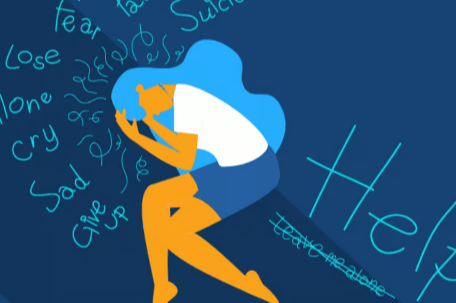
You may feel overwhelmed by worry, low mood, or both at once — and that makes finding the right treatment feel urgent and confusing. You can manage anxiety and depression treatment effectively with a tailored plan that often combines therapy, medication, and lifestyle changes.
This article will help you understand how these conditions overlap and which evidence-based options tend to work best, so you can make clearer choices about care. Expect practical explanations of diagnosis, treatment paths, and how to work with clinicians to build a plan that fits your life.
Understanding Anxiety and Depression
You will find clear differences in typical symptoms, common causes and risk factors, and how each condition interferes with work, relationships, and daily routines. The next parts explain how professionals diagnose these conditions, what increases your risk, and the concrete ways they affect everyday functioning.
Symptoms and Diagnosis
Symptoms vary but follow recognizable patterns. For anxiety and depression, expect persistent low mood, loss of interest in activities you used to enjoy, changes in appetite or sleep, slowed thinking or movement, and recurrent thoughts of death or suicide. For anxiety, look for excessive worry, restlessness, muscle tension, rapid heartbeat, and avoidance behaviors that interfere with tasks like driving or public speaking.
Clinicians use structured interviews and screening tools such as the PHQ-9 for depression and the GAD-7 for generalized anxiety. Diagnosis depends on duration and severity—symptoms present most days for at least two weeks for major depression, and for six months or more for many anxiety disorders. Rule out medical causes (thyroid disease, medication side effects, substance use) and assess co-occurring conditions.
Root Causes and Risk Factors
Multiple interacting factors increase your likelihood of developing anxiety or depression. Genetics contribute—family history raises your risk—while brain chemistry changes in neurotransmitters like serotonin and norepinephrine also play a role. Life events such as chronic stress, trauma, loss, or social isolation commonly trigger onset.
Medical conditions (chronic pain, cardiovascular disease), hormonal shifts (postpartum, menopause), and long-term substance use can precipitate symptoms. Personality traits—high neuroticism or perfectionism—and poor sleep or inadequate physical activity further raise risk. Recognize that combinations of factors, not a single cause, usually explain why symptoms start.
Impact on Daily Life
Anxiety and depression disrupt practical daily tasks and your social world. You may find it hard to concentrate at work, miss deadlines, or call in sick more often. Sleep disturbance and low energy can make routine self-care—cooking, bathing, managing bills—difficult to maintain.
Relationships suffer when you withdraw, irritate easily, or avoid social contact. Anxiety-driven avoidance limits activities and career opportunities, while depression reduces motivation to pursue goals. Both conditions increase accident risk, worsen other health problems, and, if untreated, can lead to chronic disability. Use functional assessments with your clinician to measure specific impacts and guide treatment choices.
Effective Treatments for Anxiety and Depression
You can reduce symptoms and improve daily functioning using a combination of targeted therapies, appropriate medications, and routine self-care. Practical choices include structured psychotherapy, evidence-based medications, exercise and sleep routines, and selected complementary practices.
Psychotherapy Approaches
Cognitive Behavioral Therapy (CBT) helps you identify and change thoughts and behaviors that maintain anxiety or depression. Sessions are structured, skill-focused, and often include homework such as thought records and graded exposures.
Interpersonal Therapy (IPT) focuses on improving relationships and role transitions that contribute to mood symptoms. It usually runs 12–16 weeks and targets communication, grief, and social support issues.
Exposure therapy suits specific and social anxieties by having you face feared situations gradually and safely. Mindfulness-based Cognitive Therapy (MBCT) combines mindfulness with cognitive techniques to reduce relapse risk in recurrent depression.
Medication Options
Selective serotonin reuptake inhibitors (SSRIs) like sertraline and escitalopram are common first-line choices for both anxiety and depression. They increase serotonin availability and often take 4–8 weeks to show full effect.
SNRIs (venlafaxine, duloxetine) treat generalized anxiety and major depressive disorder, affecting serotonin and norepinephrine. Buspirone can help persistent anxiety without sedative effects, and benzodiazepines are effective short-term for severe acute anxiety but carry dependence risk.
Augmentation strategies (adding atypical antipsychotics, lithium, or thyroid hormone) may help when monotherapy yields partial response. Always review interactions, side effects, and pregnancy considerations with your prescriber.
Lifestyle and Self-Care Strategies
Regular aerobic exercise (30 minutes most days) produces measurable reductions in depressive and anxiety symptoms through endorphin release and improved sleep. Aim for consistent routines rather than sporadic intense workouts.
Prioritize sleep hygiene: fixed wake/sleep times, limited screen use before bed, and a cool, dark bedroom. Poor sleep often worsens mood and anxiety symptoms and undermines medication and therapy effects.
Use structured behavioral activation: schedule pleasurable and meaningful activities to counter avoidance and low motivation. Combine this with stress-management techniques such as paced breathing, progressive muscle relaxation, and building social support.
Alternative and Complementary Therapies
Mindfulness meditation and yoga show moderate benefits for anxiety and mild-to-moderate depression when practiced regularly. Look for programs with qualified instructors and an evidence-based curriculum.
Evidence for supplements varies: omega-3 fatty acids and folate adjuncts have some supportive data, while herbal remedies like St. John’s wort can interact with many medications. Always check with your clinician before starting supplements.
Consider transcranial magnetic stimulation (TMS) or electroconvulsive therapy (ECT) when you have treatment-resistant depression; both require specialist referral and have documented efficacy for severe cases.