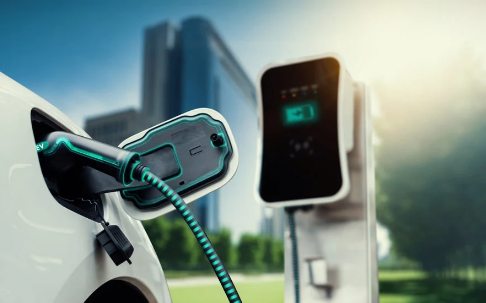
If you’re looking for “ev charging installation near me,” you want a clear path to get a reliable home or workplace charger installed quickly and correctly. You can find local certified installers who assess your electrical capacity, recommend the right Level 2 or fast-charging unit, and handle permits and installation so you start charging at home with minimal hassle.
This article walks you through how Ev Charging Installation found, what costs to expect, and the benefits of having a nearby, professionally installed charger—so you can compare quotes, avoid common pitfalls, and choose a solution that fits your driving habits and budget.
EV Charging Installation Near Me
You’ll learn the main charger types, how to pick a qualified installer, what permits or local rules typically apply, and a realistic installation timeline. Expect practical steps, typical costs, and documentation you’ll need.
Types of Home Charging Stations
Level 1 chargers use a standard 120V outlet and provide about 3–5 miles of range per hour. They work for overnight charging if you drive low daily miles, but they’re slow for most EVs.
Level 2 chargers run on 240V and deliver roughly 20–60 miles of range per hour depending on the EV and charger power (typically 7–11 kW). Install a hardwired or plug-in unit in a garage or driveway; most homeowners choose Level 2 for daily convenience.
Smart chargers add Wi‑Fi or cellular connectivity for scheduling, load management, and energy reporting. If you plan solar, time-of-use rates, or shared building billing, pick a model that supports software integration and backend access.
DC fast chargers are not suitable for single‑family homes; they need three‑phase power and commercial permits. Only consider them for businesses or multi‑unit property owners with heavy public use.
How to Choose a Qualified EV Charger Installer
Start by verifying electrician licensing and EV‑charger certifications. Check for local or national certifications (NATE, EVITP, manufacturer training) and confirm liability and workers’ compensation insurance.
Request three written quotes that list equipment, labor, wiring upgrades, panel work, trenching, conduit, and permit fees. Compare total installed cost and warranty terms rather than just the charger price.
Ask for references and photos of recent installations similar to yours—garage, curbside, or multi‑unit setups. Confirm the installer will handle permits, utility coordination, and any required electrical inspections.
Get a written scope that specifies expected circuit size (amps), breaker rating, meter upgrades if needed, and whether a load calculation or panel upgrade will be included. Ensure post‑installation testing and commissioning are part of the contract.
Permits and Local Regulations
Most jurisdictions require an electrical permit for installing a Level 2 charger; multi‑unit and commercial projects often need additional planning approvals. Contact your local building department for specific permit forms and fee schedules.
You may need a load calculation to determine if your main panel supports the charger or if a service upgrade is required. Utilities sometimes require notification if you request a service‑capacity increase or three‑phase connections.
Homeowners’ associations and condo rules can restrict visible conduit, curbside stations, or shared-meter billing; review your CC&Rs and condo bylaws early. For multi‑unit buildings, expect rules about allocation of costs, dedicated parking spaces, and billing for electricity.
Keep invoices, permits, inspection reports, and manufacturer warranty documents. These records help with utility rebate applications and any future property sale disclosures.
Timeline for Installation
A straightforward Level 2 home install typically takes 4–8 weeks from quote acceptance to finished commissioning. Initial site visit and written quote: 1–7 days. Permit review and approval: 1–4 weeks depending on your municipality.
Actual electrician work ranges from 2–8 hours for a simple install without a panel upgrade. If you need a main service upgrade, trenching, or conduit work, expect 1–3 additional days and longer scheduling lead times.
Allow more time for multi‑unit or commercial installs—planning, stakeholder approvals, and utility coordination can add 4–12 weeks. Factor in manufacturer lead times for specific charger models if you require integrated fleet management or billing features.
Costs and Benefits of Local EV Charging Installation
You’ll weigh upfront expenses, ongoing savings, and how the charger affects your home’s market appeal. The right choice depends on your electrical panel, daily driving range, and whether you qualify for rebates or need conduit and trenching.
Upfront Installation Costs
Expect a typical Level 2 home installation in Canada to fall between about $700 and $2,500 if your panel and wiring are adequate. Charger hardware commonly costs $500–$1,200; labor, permits, and basic wiring add the rest.
If your electrical panel needs an upgrade or you require a dedicated 40–50 amp circuit, budget an extra $500–$1,500 or more. Longer runs, conduit, or trenching to reach a detached garage increase labor and material costs.
Factor in permit fees and an electrical inspection; these vary by municipality but often run $50–$300. Check provincial and federal rebate programs—those can reduce your net cost by several hundred to a few thousand dollars depending on eligibility.
Long-Term Savings
Charging at home typically lowers your per-kilometre energy cost compared with public DC fast charging or gasoline. You can expect lower electricity cost per kWh at off-peak rates if your utility offers time-of-use pricing.
Estimate savings by comparing your vehicle’s efficiency (kWh/100 km) with local electricity rates and the price of alternative fuels. Over several years, reduced fuel and convenience savings often offset installation costs, especially if you charge primarily at night and avoid frequent public fast charges.
Maintenance costs for Level 2 units are minimal: occasional inspection and weatherproofing, plus potential replacement after many years. Keep records of electricity use to track realized savings and to claim any applicable incentives.
Impact on Home Value
Installing a hardwired Level 2 charger can make your property more attractive to EV buyers and renters, particularly in neighborhoods where EV adoption is high. Real estate agents report increased interest and faster sale times for homes with dedicated EV charging.
Value uplift depends on local market demand and whether the charger is professionally installed and documented. Provide receipts, permits, and warranty information to potential buyers to make the upgrade a clear selling point.
If you live in a multi-unit building, adding dedicated charging may require building approval; documented communal upgrades can raise the appeal of the entire property and support higher long-term demand for units.