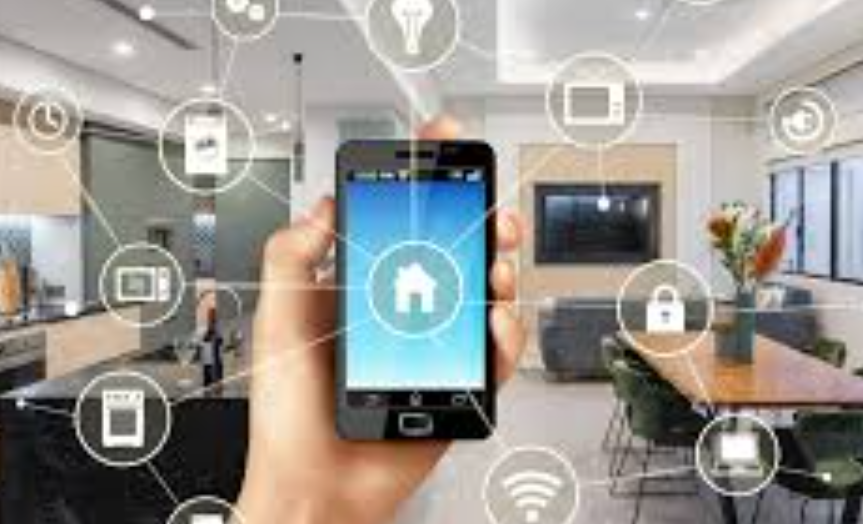
The evolution of smart living technology marks a significant shift in how individuals interact with their homes. Initially focused on basic automation, advancements have led to the integration of voice assistants and energy management systems. These innovations enhance convenience and support sustainable practices. However, challenges such as security and device compatibility remain. Understanding these developments raises critical questions about the future of interconnected living spaces and their implications for daily life.
The Beginnings of Home Automation
How did the concept of home automation evolve from simple mechanical devices to sophisticated smart technologies?
Early devices, such as timers and remote-controlled appliances, laid the groundwork for automation pioneers.
These innovators envisioned a future where technology could enhance everyday life, providing convenience and efficiency.
Their efforts sparked a revolution, leading to the complex smart systems that now empower individuals to control their homes effortlessly.
See also: The Evolution of Mobile Computing Technology
Key Innovations Shaping Smart Living
As the demand for convenience and efficiency in daily living increases, several key innovations have emerged to shape the landscape of smart living technology.
Voice assistants enhance user interaction, facilitating seamless control over various devices.
Meanwhile, advanced energy management systems optimize energy consumption, promoting sustainability.
These innovations empower individuals to tailor their environments, fostering a lifestyle that balances comfort, efficiency, and personal freedom.
Challenges and Limitations in Smart Technology
Although smart technology offers numerous benefits, it is not without its challenges and limitations.
Security concerns remain a significant barrier, as vulnerabilities can compromise users’ privacy and safety.
Additionally, interoperability issues arise when devices from different manufacturers fail to communicate effectively, hindering seamless integration.
These challenges necessitate ongoing innovation and collaboration to ensure that smart technology enhances freedom rather than complicates it.
The Future of Connected Homes
With advancements in technology accelerating at an unprecedented pace, the future of connected homes promises to transform daily living into a seamlessly integrated experience.
Voice assistants will serve as central hubs, enhancing convenience and control. Additionally, sophisticated energy management systems will optimize consumption, fostering sustainability.
This evolution not only enhances comfort but also empowers individuals to make informed choices, promoting a liberated lifestyle.
Conclusion
As smart living technology continues to evolve, the integration of interconnected devices transforms everyday life into a seamless experience. Notably, a recent study revealed that over 70% of households now utilize at least one smart device, highlighting the widespread adoption of this technology. With ongoing advancements addressing challenges such as security and interoperability, the future promises even smarter homes that not only enhance convenience but also contribute to sustainable living practices, reshaping how individuals interact with their environments.