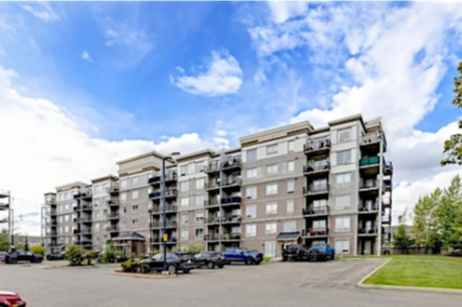
Looking Condos for Sale in Fort McMurray? You can find a range of options from affordable one-bedrooms to larger family units across multiple listings and real estate sites, so you’ll want to focus on location, building amenities, and resale history to spot the best value. If you prioritize proximity to services, solid building maintenance, and realistic pricing, you can find a condo that fits both your lifestyle and budget in Fort McMurray.
This article walks you through current market options, what to watch for in listings, and practical steps to buy confidently in Fort McMurray. Use these insights to narrow choices, prepare your financing, and negotiate from a position of knowledge.
Condos for Sale in Fort McMurray
You’ll find a range of condo prices, building ages, and amenity levels in Fort McMurray. Listings shift with demand, so expect options from entry-level apartments to newer, amenity-rich mid-rise units.
Current Listings and Prices
Condo listings in Fort McMurray typically range from lower-priced units in the low $200,000s to higher-end condos above $400,000 depending on size and finishes. Studio and one-bedroom units commonly list near $229,900 to $300,000, while two- and three-bedroom units frequently sit between $300,000 and $450,000.
Check these listing features when comparing prices:
- Unit size (square feet) and layout.
- Recent renovations or original finishes.
- Monthly condo fees and what they cover (heat, water, reserve fund).
- Parking or storage inclusions.
You should review MLS photos and recent sales to confirm market pricing. Ask your agent for comparable sales within the same building or neighborhood to assess value accurately.
Popular Neighborhoods for Condos
Downtown Fort McMurray offers the most condo inventory and close access to shops, restaurants, and transit. You’ll find many older mid-rise buildings with walkable amenities and shorter commute times to commercial centers.
Thornbury and Timberlea provide quieter residential options with newer developments and family-oriented buildings. If you prefer proximity to Fort McMurray’s regional services and the airport, look at listings near Highway 63 corridors and the downtown–Thorncliff transition zones.
When choosing a neighborhood, weigh commute time, nearby services, school catchments, and resale demand. Neighborhoods closer to commercial hubs generally maintain stronger rental and resale activity.
Types of Condo Units Available
Fort McMurray condos come in several common formats:
- Low-rise apartments (3–6 floors): often older, more affordable units.
- Mid-rise condos (6–12 floors): mix of older and newer builds with elevators and some amenities.
- Townhouse-style condos: multi-level units with private entries and small yards.
- Purpose-built rental-to-condo conversions: can offer larger floor plans at varied price points.
Unit layouts range from studios through three-bedroom plans. Newer builds emphasize open-concept living, quartz or laminate counters, and in-suite laundry. Older units may have simpler finishes but lower condo fees. Decide which format suits your lifestyle by comparing monthly fees, maintenance responsibilities, and building rules.
Key Features and Amenities
Condo amenities in Fort McMurray vary by building and price point. Common features include secure entry, underground or surface parking, and on-site laundry or in-suite washers. Higher-end buildings often offer gyms, party rooms, bike storage, and concierge or security services.
Important practical considerations:
- Heating and utility inclusions in condo fees.
- Elevator access and accessibility features.
- Reserve fund health and recent special assessments.
- Pet and rental policies in the condo bylaws.
You should request the condominium corporation’s disclosure package before committing. That package shows financial statements, reserve fund balance, bylaws, and recent meeting minutes — all critical to understanding future costs and building management.
Buying a Condo in Fort McMurray
You’ll deal with local listings, building rules, and monthly condo fees. Expect steps from mortgage pre-approval through closing, and plan for routine and special assessments.
Steps in the Home Buying Process
Start by getting mortgage pre-approval from a Canadian lender to know your purchase range and strengthen offers. Work with a local REALTOR® who knows Fort McMurray neighbourhoods like Timberlea, Thickwood, or downtown core and can access MLS listings and recent comparable sales.
Visit units in person to check for water damage, balcony condition, and building common areas. Ask for the condo corporation’s status certificate, financial statements, reserve fund balance, and meeting minutes to spot upcoming special assessments or disputes.
Make an offer that includes a conditional period for inspection and financing. Use a certified home inspector familiar with Alberta building issues. Once conditions clear, finalize mortgage documents, arrange condo insurance (bare walls vs. full replacement coverage depends on bylaws), and complete the land transfer and registration at closing.
Understanding Condo Fees
Condo fees in Fort McMurray typically cover utilities, building insurance, common-area maintenance, snow removal, and reserve fund contributions. Ask the property manager for a breakdown and recent fee history to see if fees have risen sharply.
Review what the corporation insurance covers — you may need unit-specific coverage for fixtures and personal property. Confirm whether utilities (heat, water, power) are individual meters or bundled into the monthly fee, since bundled utilities affect monthly cost comparisons.
Check the reserve fund study and recent special assessments. A low reserve fund or deferred maintenance often leads to sudden fees. If the building has a history of assessments, factor potential increases into your budget and negotiation strategy.
Tips for First-Time Buyers
Set a firm budget that includes condo fees, property taxes, insurance, and a 1–3% buffer for unexpected costs. Get pre-approved and keep proof of funds for earnest deposit to make stronger offers in competitive situations.
Ask the seller or property manager for the last 24 months of condo fee payments, reserve fund statements, and any pending litigation. Attend a condominium board meeting if possible to hear how the building is managed and how decisions are made.
Prioritize inspections for plumbing, HVAC, and envelope issues. Consider buildings with recent capital upgrades (roofs, boilers, windows) to reduce near-term assessment risk. Finally, read bylaws on rentals, pets, and renovations so your lifestyle plans match building rules.