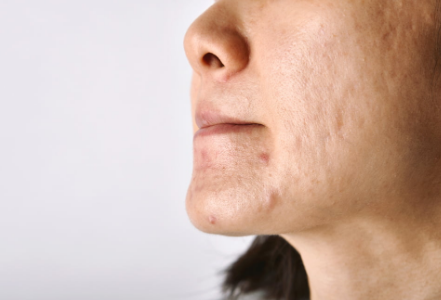
Acne scars fade with the right approach for your scar type and skin tone. You can get best Acne Scar Treatment meaningful improvement by combining topical treatments for discoloration with in-office procedures like microneedling, chemical peels, lasers, or fillers chosen to match your scars and skin.
This guide breaks down which options work best for pitted scars, raised scars, and dark spots, and explains how dermatologists evaluate risks, downtime, and expected results so you can choose confidently. Follow the sections on top treatments and how to pick the right one to create a realistic plan that fits your goals and lifestyle.
Top Acne Scar Treatments
You’ll find that medical procedures, device-based therapies, and chemical resurfacing each target different scar types and healing mechanisms. Choose based on your scar type, skin tone, downtime tolerance, and provider experience.
Laser Therapy
Laser therapy uses concentrated light to remove damaged tissue or stimulate collagen depending on the device. Ablative lasers (e.g., CO2, erbium) vaporize the top skin layers and produce strong remodeling; expect more visible improvement for deep icepick and rolling scars but longer downtime and higher risk of pigmentation. Non-ablative lasers (e.g., fractional infrared) heat deeper dermis to boost collagen with less downtime but usually require more sessions.
You should see a board-certified dermatologist or laser-trained provider for skin-typed adjustments and test spots. Plan sun protection for weeks after treatment and expect staged improvement over 3–6 months as collagen restructures.
Microneedling
Microneedling creates controlled micro-injuries with fine needles to trigger collagen and elastin production. It works well for rolling and shallow boxcar scars and can be combined with platelet-rich plasma (PRP) or topical growth factors to enhance healing and pigment control.
Treatments typically occur every 4–6 weeks for 3–6 sessions. Expect mild redness and pinpoint bleeding for 24–72 hours, with shorter downtime than ablative lasers. Look for a provider using sterile devices and proper needle depth adjustments for your scar depth and skin tone to minimize infection and post-inflammatory hyperpigmentation.
Chemical Peels
Chemical peels use controlled acid solutions to exfoliate and remodel skin. Superficial peels (glycolic, salicylic) improve texture and pigment from mild post-inflammatory marks. Medium-depth peels (TCA 20–35%) reach the papillary dermis and can soften shallow boxcar scars and uneven texture. Deep peels yield stronger results but carry greater risk and recovery time.
You should have a consultation to match peel type to your skin tone and scarring. Expect peeling, erythema, and sun sensitivity for days to weeks depending on depth. Combine peels with sun protection and topical retinoids (once healed) to sustain results and prevent new dark spots.
Choosing the Right Treatment
Match your Acne Scar Treatment type, skin tone, downtime tolerance, and budget to specific treatments to get effective, predictable results. Expect trade-offs between efficacy, number of sessions, recovery time, and risk of pigment changes.
Factors to Consider
Identify your scar type first: icepick, boxcar, rolling, or post-inflammatory hyperpigmentation. Icepick scars respond poorly to superficial resurfacing and often need punch excision or deep TCA CROSS. Rolling scars improve well with subcision combined with microneedling or fractional lasers. Boxcar scars often benefit from resurfacing (fractional CO2 or erbium) or fillers for shallow depressions.
Consider your skin tone: darker Fitzpatrick types carry higher risk of post-inflammatory hyperpigmentation after aggressive lasers and chemical peels. Ask about lower-energy fractional devices, microneedling, or radiofrequency microneedling as safer options. Factor recovery needs: ablative lasers yield dramatic results but 1–2 weeks of visible downtime; microneedling and topical peels have shorter, milder recovery. Finally, weigh cost and number of sessions—laser courses, subcision plus filler, or combined protocols typically require multiple visits.
Possible Side Effects
All procedures carry potential side effects; understand the likely ones for each option. Microneedling commonly produces transient redness, pinpoint bleeding, and minimal crusting that resolves in days. Fractional non-ablative lasers cause swelling and redness for a few days; ablative lasers can lead to prolonged redness, crusting, and a 1–2 week healing period.
Watch for pigment changes—hyperpigmentation or hypopigmentation—especially if you have a darker skin tone or recent sun exposure. Infection and scarring are uncommon but possible when aftercare or technique is inadequate. Fillers can cause lumps, migration, or, rarely, vascular compromise; choose experienced providers and ensure vascular anatomy is respected. Ask your provider for a written list of expected side effects and emergency contacts.
Consulting a Dermatologist
Bring clear photos of your scars taken in good light and a list of prior acne treatments and any isotretinoin use. Expect the dermatologist to classify scar types, assess skin tone, and propose a tailored plan—often a combination (e.g., subcision + microneedling + topical therapy). Mention medications, autoimmune conditions, and recent procedures; isotretinoin within the past 6–12 months may alter timing for procedures like laser or deep peels.
Request before-and-after photos of similar skin types and ask which device settings, depth, or filler types they plan to use. Clarify the number of sessions, expected timeline for improvement, costs, and detailed aftercare instructions. If you’re concerned about pigment risk, ask about test spots or starting with lower-energy treatments.